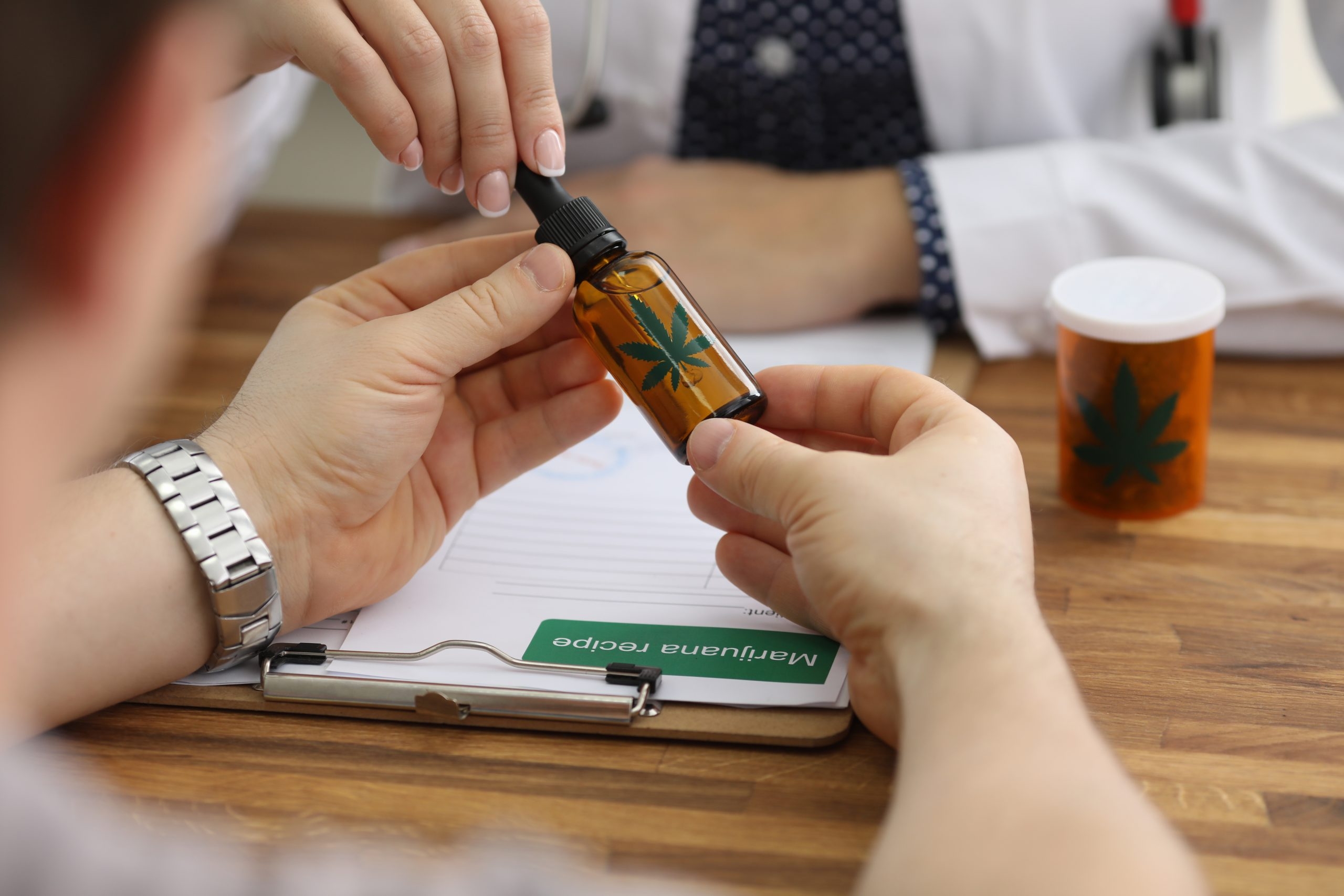
1 in 4 adults with chronic pain turning to cannabis
You know how an alcohol-fueled all-nighter makes fresh orange juice taste divine in the morning? Or even just plain, cold water. Like rain to a desert. There’s nothing else you’d rather have at that moment. It’s almost worth it to get a hangover just for those precious first few sips.
Well cannabis, especially the phenotypes that provide a strong body high, can do something similar with pain. And it seems as more and more people are turning to cannabis as an alternative and/or adjunct pain therapy.
Cannabis and chronic pain
A new study published in the JAMA Open Network in January, investigated how people with chronic pain throughout the US where medical cannabis is legal, in addition to Washington, D.C., where cannabis is largely decriminalized, deal with this plight.
It came upon several interesting stats, some of which don’t provide clear takeaways.
For starters, the study found that 26% of participants have used cannabis in the last year to treat pain, out of 1661 overall respondents to the survey. And while an entire year may seem like too wide of a time span to qualify any amount of cannabis use within it as a proper wellness practice, this figure was almost the same for the last 30 days – 23.2%.
Interestingly, 31% of respondents reported having used cannabis for their chronic pain at least once in their life. This means that around 16% of all the participants who have ever tried cannabis to manage their chronic pain haven’t used in the last year, so basically they didn’t find it as a viable option for whatever reason.
The researchers from Michigan Medicine didn’t just examine participants’ medical cannabis practices alone. On the contrary, they explored the entire picture, which involved prescription opioids, nonopioids and over-the-counter pain medications.
Unsurprisingly, more than 50% of the people who treated their chronic pain with cannabis in the last year revealed that it lowered these other, more traditional medications, whereas only less than 1% actually increased them.
Perhaps one of the most interesting finding is that “among adults with chronic pain in this study, 38.7% reported that their used of cannabis led to decreased use of physical therapy while 5.9% reported it led to increased use.” This is open to interpretations, as the study doesn’t provide a follow-up. Perhaps the more logical explanation is that cannabis lowered these individuals’ need for physical therapy. But it’s also possible that they simply couldn’t be bothered going to it, especially since the two should complement each other very nicely. After all, productivity isn’t exactly a famous side effect of cannabis, especially of the body high-inducing strains.
The study also mentions that 19% of the cannabis users in question started meditating less to cope with pain. Again, there’s more than one potential take on this. Meditation and getting high are synonymous for 19% of people, making it a wellness tautology. But we can also look at it the other way around – 81% didn’t do any less meditation, which could mean meditation and getting high can complement each other. This probably makes more sense, considering that 23.7% actually reported increased meditation. Finally, 26% of the cannabis users in the study reduced their cognitive behavioral therapy, whereas 17.1% increased it.
Results
Cannabis use does tend to reduce the need for other forms of medication, especially pharmacological. This is important for side effects of opioids or other chronic pain meds.
Cannabis affects people differently, as evidenced by the close and ambiguous results of the study. More research would go a long way toward decreasing the variables and unknowns in that equation.
The study, although limited, used best practices to minimize confounding factors and is a step forward in the right direction.