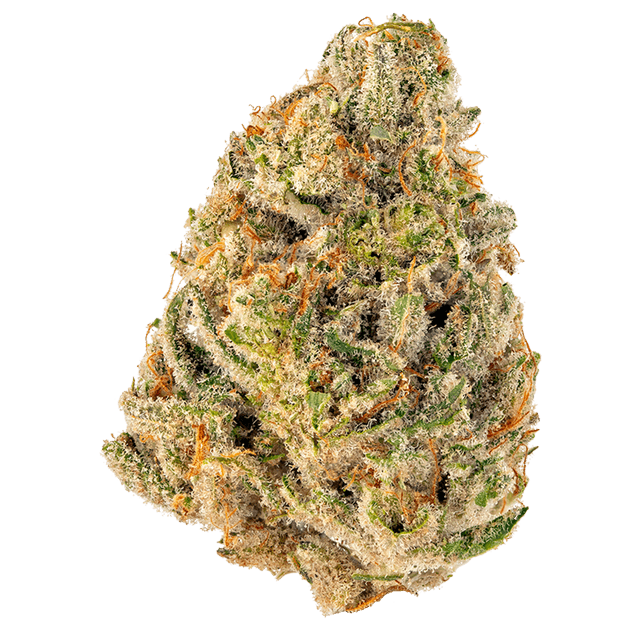
Shoki
HybridShoki Strain Details
Shoki is a hybrid cannabis strain created by crossing Lime Kush with GMO/TK Skunk. It is evenly balanced, with 50% sativa and 50% indica genetics, making it suitable for both daytime and nighttime use.
Key details of the Shoki strain include:
- THC Contents: Shoki contains approximately 20-25% THC, providing a potent experience for experienced cannabis consumers.
- CBD Contents: While the specific CBD levels of Shoki are not mentioned, it is known for its THC-dominant profile.
- Indica/Sativa/Hybrid: Shoki is a hybrid strain, offering a balanced combination of indica and sativa effects.
This strain is produced by Parea Biosciences, a Pennsylvania-based company specializing in medical cannabis. It features a distinct aroma of sour lime with hints of juniper, inherited from its Lime Kush parent. Additionally, the GMO/TK Skunk lineage imbues Shoki with a unique garlic funk flavor.
Notable effects reported by Leafly customers who have tried Shoki include relaxation, sleepiness, and a blissful state. Many medical marijuana patients have found relief from symptoms associated with chronic pain, PTSD, anxiety, and insomnia by using Shoki. The strain's genetic makeup and chemical profile contribute to its soothing properties.
Bred by Swamp Boys Genetics, Shoki boasts a range of flavors, including citrus, woody, and fuel. Its dominant terpene, limonene, not only adds to its taste but also contributes to the strain's mood-lifting and anti-inflammatory qualities.
When it comes to pricing, the average cost of Shoki typically ranges from $10 to $15 per gram, although prices may vary depending on the location and dispensary.
Shoki offers users a well-balanced high that stimulates the mind while soothing the body. It is recommended for evening or nighttime use due to its potential to induce relaxation, couch-lock, and sleepiness.
More on Shoki Effects
Effects of Shoki:
- Relaxation
- Sleepiness
- Bliss
Relaxation
Shoki is known for its ability to induce a profound sense of relaxation. Users report feeling a deep calm wash over them, helping to alleviate stress and tension. This effect can be particularly beneficial for individuals dealing with anxiety or seeking a moment of relaxation after a long day.
Sleepiness
One of the prominent effects of Shoki is its potential to induce sleepiness. Many users find that consuming this strain in the evening or at night helps them unwind and prepare for a restful sleep. The sedative properties of Shoki can be valuable for individuals who struggle with insomnia or have difficulties falling asleep.
Bliss
Shoki is also associated with a feeling of bliss or euphoria. Users often describe a sense of heightened happiness and contentment after consuming this strain. The blissful effects can enhance mood and provide a pleasant experience.
Potential Side Effects
While Shoki offers numerous positive effects, it's essential to be aware of potential side effects commonly associated with cannabis use. These side effects may include:
Dry Mouth
Dry mouth, also known as cottonmouth, is a common side effect of using Shoki. It is characterized by a dry sensation in the mouth and increased thirst. Staying hydrated and having water nearby can help alleviate this discomfort.
Dry Eyes
Similarly, Shoki may cause dry eyes, leading to feelings of itchiness or discomfort. Using eye drops can help soothe dryness and relieve any irritation.
Increased Appetite
Shoki can also stimulate appetite, commonly known as having "the munchies." Users may experience an increase in hunger and cravings for food. Preparing healthy snacks ahead of time can help manage this effect.
Lethargy
Due to its indica-leaning effects, Shoki has the potential to induce lethargy or a lack of motivation. It is recommended to use this strain when there are no essential tasks or activities that require alertness or focus.
Dizziness
In some cases, individuals who consume Shoki may experience dizziness. This effect is usually temporary and subsides as the high wears off. Sitting or lying down and taking deep breaths can help alleviate dizziness.
Remember that everyone may react differently to Shoki, and the effects can vary depending on various factors such as tolerance, consumption method, and dosage. It's best to start with a lower dose and gradually increase as desired.
Shoki Medical Effects
Positive medical effects of Shoki:
- Chronic pain relief
- PTSD symptom management
- Anxiety reduction
- Insomnia relief
Chronic Pain Relief
Shoki has shown effectiveness in providing relief from chronic pain. The strain's combination of sativa and indica genetics, along with its THC content, offers potential analgesic properties. By interacting with the body's endocannabinoid system, Shoki may help alleviate pain associated with conditions such as arthritis, fibromyalgia, or muscle spasms.
PTSD Symptom Management
Individuals experiencing post-traumatic stress disorder (PTSD) often find relief in Shoki. The strain's calming effects and mood-enhancing properties can assist in managing symptoms associated with PTSD, such as anxiety, nightmares, and hyperarousal. Shoki's therapeutic potential may help individuals find a sense of tranquility and mental well-being.
Anxiety Reduction
Shoki has been reported to have anxiolytic properties, making it a potential aid for those dealing with anxiety disorders. The strain's relaxation-inducing effects may help mitigate symptoms of anxiety, including racing thoughts, restlessness, and tension. By inducing a state of calmness, Shoki can promote a sense of serenity and ease anxiety-related distress.
Insomnia Relief
Individuals struggling with insomnia or difficulties falling asleep may find Shoki beneficial. Its relaxing and sleep-inducing effects may help promote a more restful and uninterrupted sleep. By easing the mind and inducing a state of tranquility, Shoki can assist in combating sleeplessness and improving overall sleep quality.
It is important to note that while Shoki may provide potential therapeutic effects, it is not a substitute for professional medical advice. Consulting with a healthcare provider is recommended for personalized guidance regarding medical conditions and treatment options.
Shoki Flavours — Explained
Flavours of Shoki:
- Citrus
- Woody
- Fuel
Citrus
Shoki exhibits a prominent citrus flavour profile, characterized by zesty and tangy notes. This refreshing taste is attributed to the presence of specific terpenes, such as limonene. Limonene is a terpene commonly found in citrus fruits and is known for its uplifting and mood-enhancing properties. The prevalence of this citrus flavour in Shoki adds a bright and invigorating element to the overall taste experience.
Woody
A distinct woody flavour is also present in Shoki, providing a rich and earthy taste. This flavour is often associated with terpenes like pinene and myrcene. Pinene is a terpene found in coniferous trees and is known for its pine-like aroma and potential anti-inflammatory properties. Myrcene, on the other hand, is derived from various plants and is recognized for its herbal and musky undertones. The combination of these terpenes contributes to the woody flavour profile of Shoki, providing a grounding and natural essence.
Fuel
Shoki features a fuel-like flavour, which can be attributed to terpenes such as caryophyllene. Caryophyllene is commonly found in spices like black pepper and is known for its peppery and spicy aroma. It also exhibits potential anti-inflammatory properties. The presence of caryophyllene adds a distinct and robust element to the overall taste profile of Shoki, reminiscent of fuel or diesel.
Shoki FAQ
Is Shoki a sativa or indica-dominant strain?
Shoki is a hybrid strain, resulting from a genetic cross between Lime Kush and GMO/TK Skunk. It is evenly balanced, with 50% sativa and 50% indica genetics, providing a combination of both uplifting and relaxing effects.
What are the medical benefits of the Shoki strain?
The Shoki strain is known for its potential medical benefits, including providing relief for chronic pain, managing symptoms of PTSD, reducing anxiety, and aiding with insomnia.
What are the primary terpenes in Shoki?
Shoki features various terpenes, with the dominant one being limonene. Limonene contributes to the strain's citrusy aroma and is believed to have mood-lifting and anti-inflammatory properties. Other terpenes present in Shoki may include pinene, myrcene, and caryophyllene, which contribute to its woody and fuel-like flavors.
Can Shoki cause drowsiness?
Yes, Shoki can induce sleepiness, especially when consumed in larger quantities or towards the evening. It is recommended to use this strain during nighttime hours or when relaxation and restfulness are desired.
What conditions does Shoki help with?
Patients have reported finding relief from chronic pain, symptoms of PTSD, anxiety, and insomnia by using the Shoki strain. However, it is important to note that individual responses may vary, and it is always advisable to consult with a healthcare professional for personalized guidance.
How much THC does Shoki contain?
Shoki typically contains approximately 20-25% THC, making it potent and suitable for experienced cannabis consumers. The high THC content contributes to its potential therapeutic effects and recreational appeal.
What flavors can be expected when consuming Shoki?
Shoki offers a combination of flavors, including sour lime, hints of juniper, and a garlic funk flavor derived from its GMO/TK Skunk parent. Additionally, users may also experience woody and fuel-like undertones, adding to the unique taste profile of this strain.
How much does Shoki cost?
The average price of Shoki can range from $10 to $15 per gram. However, pricing may vary depending on factors such as location, local regulations, and individual dispensary pricing.
Can Shoki be used during the day?
While Shoki is balanced and can be used during the day, it is known to induce relaxation and potential sleepiness. Therefore, it is often recommended to use this strain in the evening or nighttime for a more calming and sedative experience.